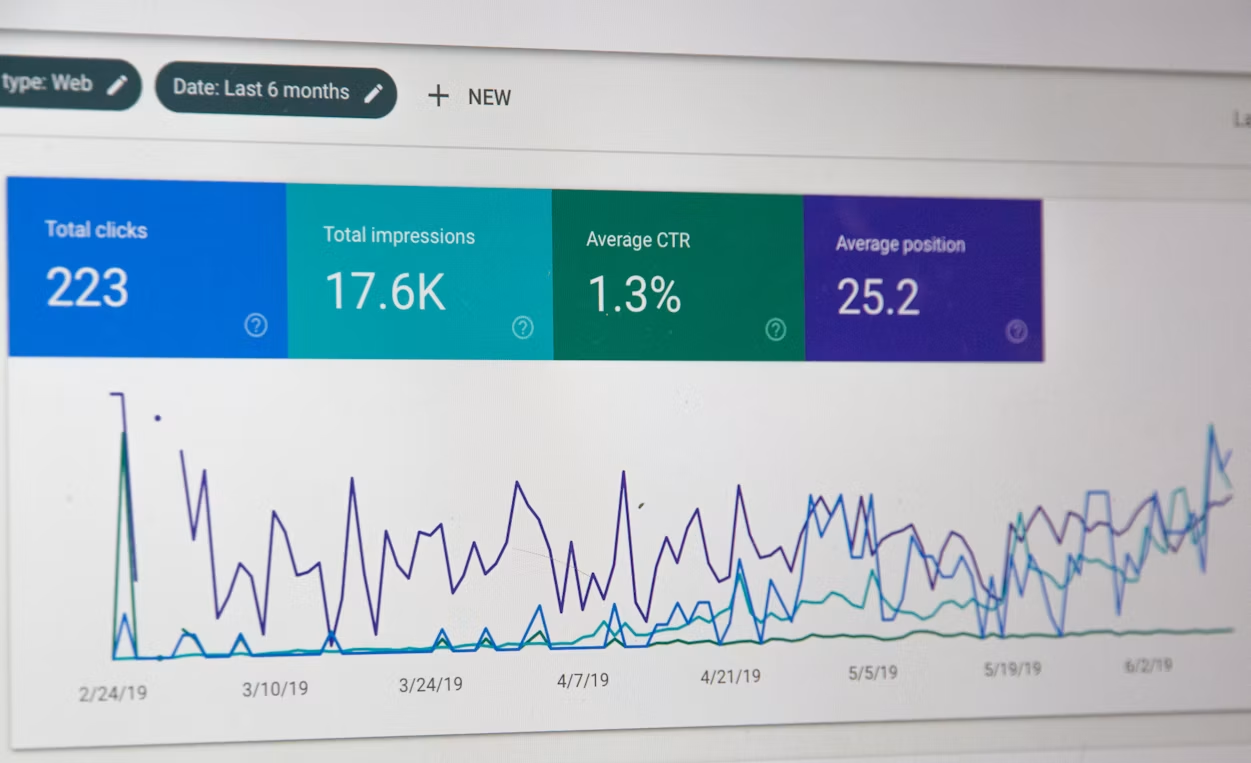

If you’ve been keeping an eye on digital marketing lately, you’ve probably noticed GEO and AEO popping up next to the SEO we all know. A lot of people get confused — are these just new buzzwords replacing SEO, or are they actually different things you need to run side by side?
In this article, we’ll walk through GEO, AEO, and SEO in plain terms: what each one is, how they differ, and which one your business should focus on first. Let’s dig in.

TL;DR — If You Don’t Want to Read the Whole Thing
GEO, AEO, and SEO are three different approaches to getting your content seen across different search channels.
- SEO is about ranking well on traditional search result pages like Google.
- AEO is about getting your content pulled into short answer boxes, Featured Snippets, and voice search.
- GEO is about getting AI chatbots like ChatGPT, Google AI Overview, or Perplexity to reference or mention your brand or content in the answers they generate.
None of the three exist in isolation — they actually reinforce each other, all built on the same foundation: quality, clear, trustworthy content with a structure that’s easy to read. Businesses that want to stay visible as consumers increasingly ask AI for answers should be working on all three at once: start with a solid SEO base, layer on AEO-style question-and-answer structure, and then build up overall brand credibility to support GEO for the long run.
What Is SEO, Quickly
SEO stands for Search Engine Optimization — the practice of getting your website to rank well on Google when people search for terms related to your business. That means optimizing your content, site structure, page speed, and link building so Google sees your site as high-quality and relevant to what users want.
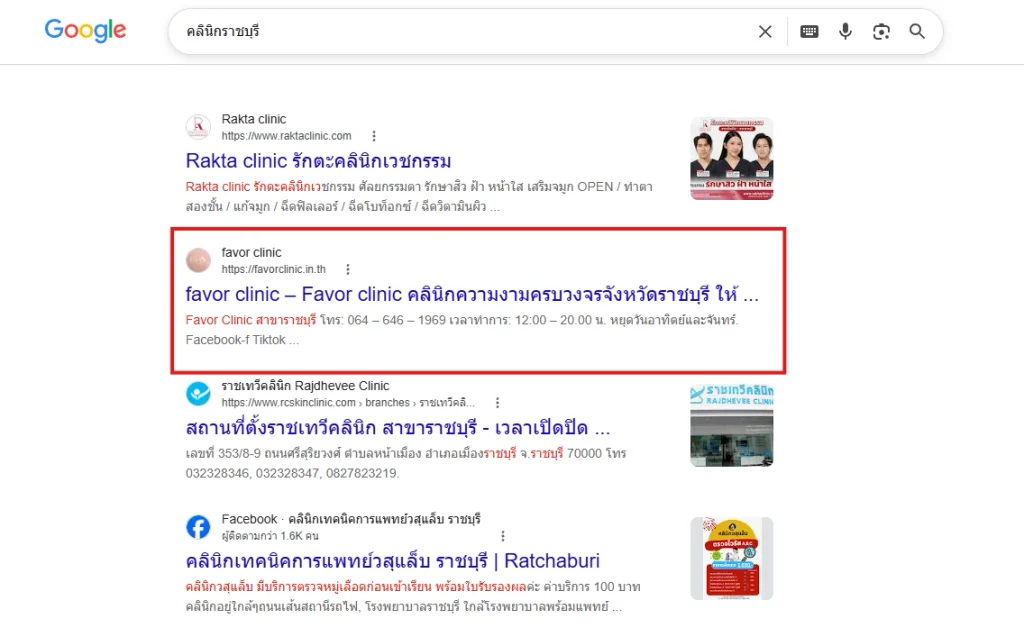
The key thing to remember: SEO plays on the field of the traditional “search results page” — the list of links people scroll through and click into themselves.
What Is AEO
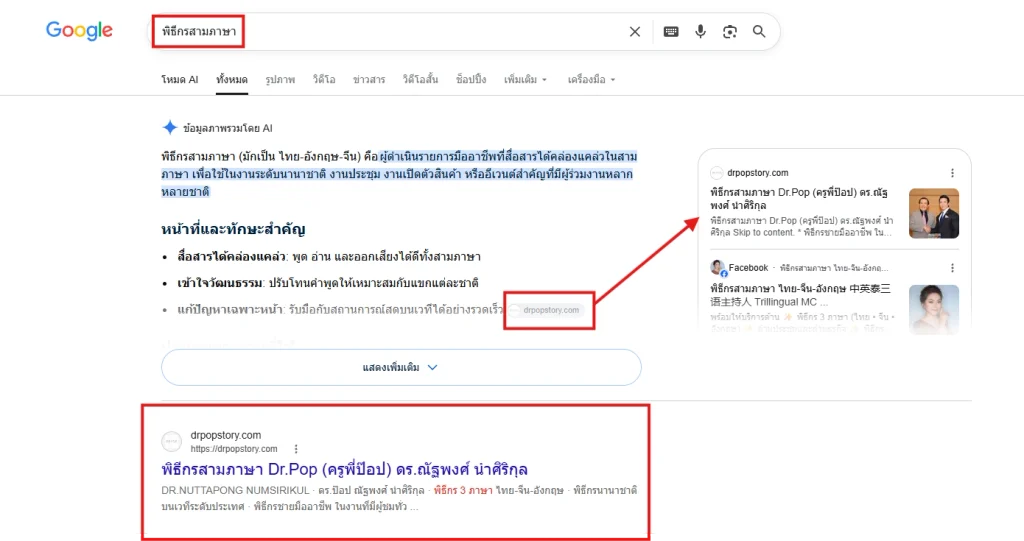
AEO stands for Answer Engine Optimization — optimizing content for tools that answer questions directly, like Google Featured Snippets, voice assistants such as Siri or Google Assistant, or answer boxes that appear without the user ever clicking through to a website.
The heart of AEO is writing concisely and to the point, structured clearly as question-and-answer, so the system can pull your answer straight out and display it. In short: you’re making your content “the best possible answer” to a specific question.
What Is GEO
Now for the star of the show: GEO, or Generative Engine Optimization, is about optimizing content for AI chatbots and generative-AI-powered search tools — think ChatGPT, Google AI Overview (formerly SGE), Perplexity, or Claude itself.
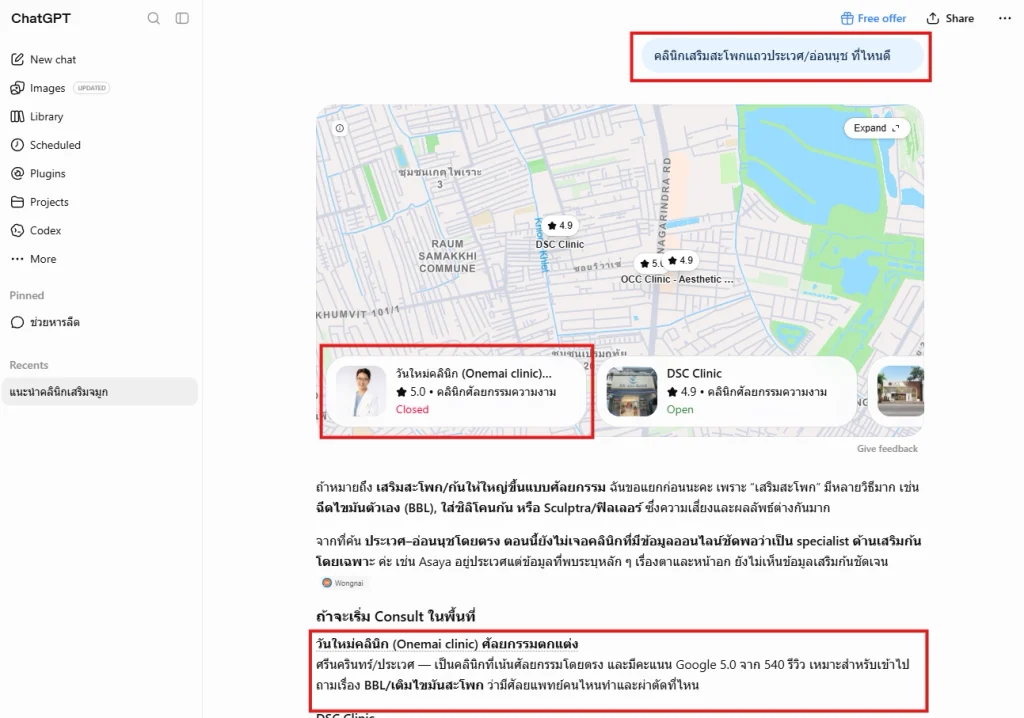
Unlike SEO, which focuses on ranking in search results, and AEO, which focuses on getting pulled into short answer boxes, GEO focuses on getting AI to reference or mention your brand or content in the answers it generates on its own. When a user asks an AI “which store is good” or “which product is worth buying” and the AI answers by mentioning your brand — that’s exactly the outcome GEO is chasing.
What makes GEO trickier than traditional SEO is that you can’t fully control how an AI chooses to talk about your content. What you can do is make your content trustworthy, clear, structured in a way that’s easy for AI to read and understand, and referenced by sources the AI already trusts.
SEO vs. AEO vs. GEO: A Comparison Table
| Category | SEO | AEO | GEO |
| Goal | Rank well on search results pages | Get pulled into answer boxes | Get mentioned/referenced by AI in its answers |
| Platforms | Google, Bing | Featured Snippet, Voice Search | ChatGPT, AI Overview, Perplexity |
| Success metric | Ranking, traffic, clicks | Number of times pulled into an answer box | Frequency of being referenced in AI answers |
| Core techniques | Keywords, backlinks, site structure | Q&A structure, schema | Trustworthiness, clarity, E-E-A-T |
The truth is, SEO, AEO, and GEO aren’t separate at all — if anything, they reinforce each other. All three rest on the same foundation: creating quality content that’s trustworthy and genuinely useful to the reader.
A site that’s already doing SEO well usually has an edge with AEO too, because its content is already clearly structured. At the same time, highly trustworthy content with good sourcing is more likely to get picked up by AI for GEO purposes. In short: if your content foundation is strong, all three tend to move together.
How to Start Doing GEO and SEO/GEO Together
From experience getting content to rank and get referenced by AI, here are a few simple techniques worth starting with right away:
- Write clearly and directly — AI favors content that answers the question head-on, without beating around the bush.
- Include verifiable information, like statistics, sources, and study results — AI tends to favor sources that look credible.
- Show real expertise and experience — write from the perspective of someone who’s actually done the work, not just someone stitching together other people’s information.
- Structure your content for easy reading — use clear H2/H3 headings, lists, and tables so both humans and AI can scan it easily.
- Update your content regularly — both Google and AI favor fresh content over stale material that’s never been revised.
FAQ: Frequently Asked Questions About AEO, GEO, and SEO
Which matters more, GEO or SEO?
Honestly, they’re both equally important — they just play on different fields. SEO is still essential because a huge number of people still search the traditional way on Google. But GEO is becoming more important by the day as consumer behavior shifts toward asking AI chatbots directly. Businesses that want to stay relevant long-term should be doing both.
What does GEO require that’s different from traditional SEO?
GEO focuses more on the credibility of your sources and the clarity of your content than on keyword stuffing. What you need to add is making sure your business information appears in sources AI commonly references — like Wikipedia, news sites, and trustworthy reviews — and making sure your own website content is clearly structured and easy to read.
How do you measure GEO results when there’s no ranking like SEO?
Right now there isn’t a standardized measurement tool for GEO the way Google Search Console exists for SEO. What you can do is ask ChatGPT, Perplexity, or Google AI Overview questions related to your business and see whether your brand gets mentioned or referenced. There are also emerging AI visibility tracking tools starting to specialize in exactly this.
Where should a small business start with AEO, GEO, and SEO?
Start with the strongest foundation first: basic SEO, like making your site load fast and writing content that answers your customers’ search queries. Then layer on AEO-style structure by adding an FAQ section to your pages. Finally, expand into GEO by focusing on building overall brand credibility. You don’t need to do everything at once from day one.
How does Google AI Overview relate to GEO?
Google AI Overview is one of the clearest real-world results of GEO right now — it’s the AI-generated answer box that appears at the very top of the search results page. Getting pulled into AI Overview requires both a solid SEO foundation and GEO qualities, like trustworthy content and clear, well-structured answers.
Wrapping Up
SEO, AEO, and GEO aren’t competitors — they’re three approaches that reinforce each other in a search landscape that’s rapidly changing. SEO remains an essential foundation, AEO helps your content get pulled into answer boxes, and GEO is the next step that gets your brand mentioned by AI as more people turn to chatbots for answers every day. Businesses that start planning for all three today stand a much better chance of staying visible, no matter which channel consumers use to search in the future.