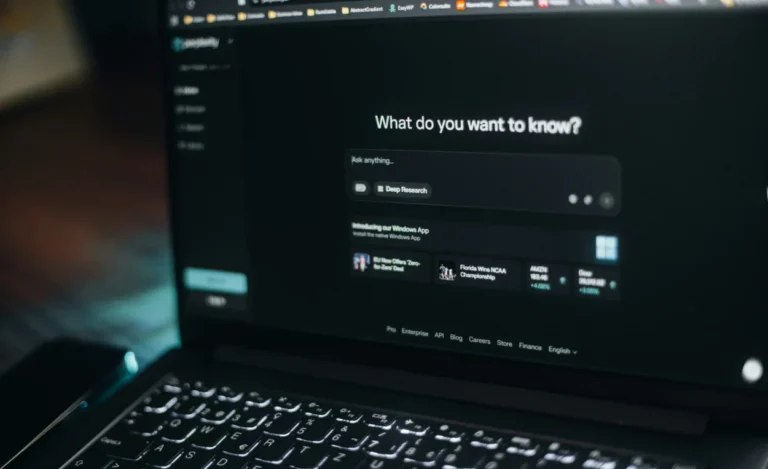
Search is changing. People can now get answers through AI Overviews, AI Mode, conversational search, and AI assistants without always clicking through to a website. So SEO isn’t disappearing — visibility is simply becoming bigger than rankings.
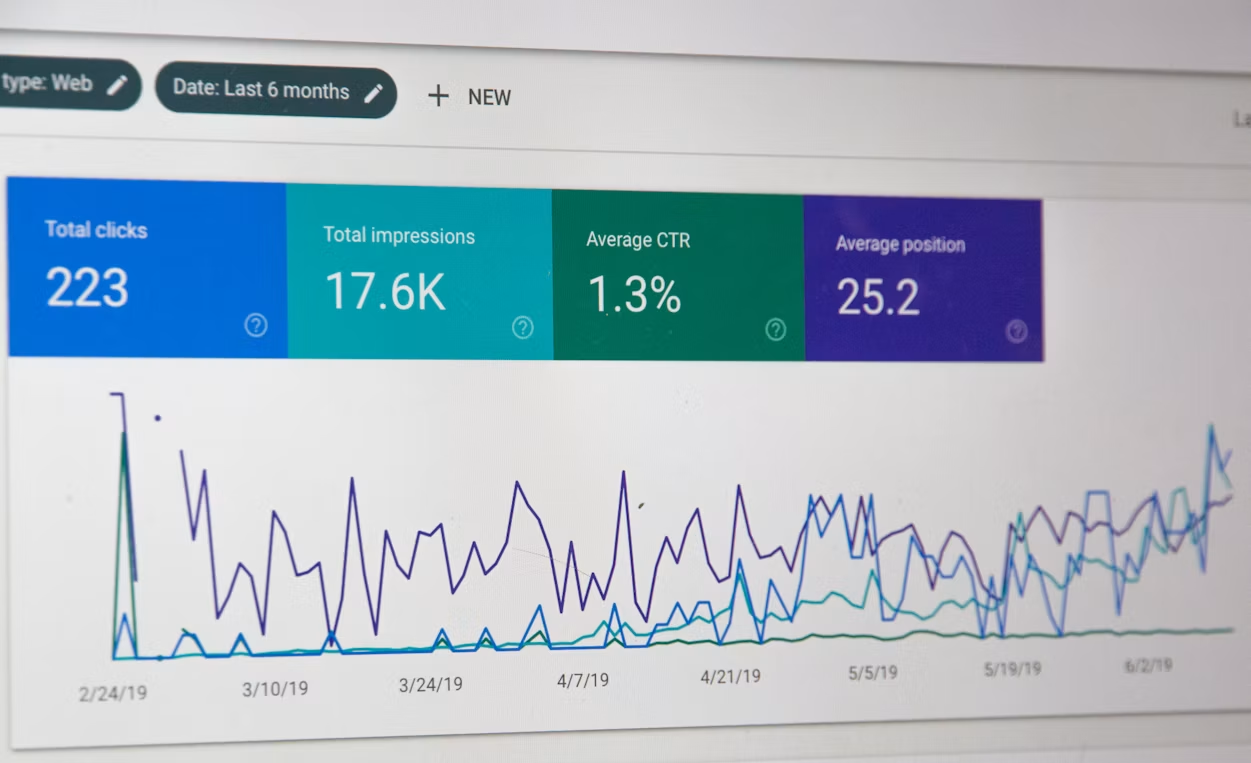
TL;DR — If You Don’t Want to Read the Whole Thing
SEO in 2027 is less about landing the #1 spot and more about becoming a source Search and AI can understand, trust, and cite.
- Keywords still matter, but intent, topics, entities, and context matter more.
- Generic AI-written content is getting cheap fast, which makes real experience and expertise more valuable, not less.
- SEO and GEO aren’t rivals — they run on the same fundamentals, just aimed at more destinations.
- Technical SEO and information architecture still decide whether Search and AI can even find and understand your site in the first place.
- Brand signals — reviews, mentions, case studies, third-party references — are becoming part of how Search decides who to trust.
The businesses that win won’t be the ones that optimize hardest for search engines. They’ll be the ones that build something genuinely worth finding.
From Ranking Pages to Becoming a Trusted Source
Your website can show up in more ways than a traditional search result. It might appear in search results, get referenced in an AI-generated answer, become a source for an AI response, or show up when someone is comparing or researching a service.
That changes the question. Instead of only asking “Can Google rank my page?”, we also need to ask “Can Search and AI understand, trust, and use my content?” That’s a very different way of thinking about SEO.
1. Keywords Still Matter. Intent Matters More.
No, keywords aren’t dead. But creating one page around one exact keyword isn’t enough anymore. People search with more context, and search engines are getting better at understanding what they actually mean.
The new formula is more like intent + topics + entities + context. Good content doesn’t just answer the keyword — it answers the question behind it.
2. Generic Content Is Getting Cheaper
This is probably one of the biggest changes. AI can produce content incredibly fast, so if everyone can publish dozens of articles every month, publishing more content alone isn’t much of an advantage.
What’s harder to copy? Experience — your own data, projects, opinions, lessons, case studies, and expertise. AI can help you communicate those things, but it can’t create experiences your business never had.
When generic content becomes cheap, real expertise becomes more valuable.
3. SEO and GEO Are Becoming Part of the Same Conversation
I wouldn’t treat GEO as “the new SEO.” Google’s guidance around its AI search features still points back to many of the same fundamentals we already know from SEO.
So instead of thinking of SEO vs. GEO, think about the bigger picture: SEO + great content + clear information + strong brand signals + AI visibility. The goal isn’t just to rank — it’s to become a source that search systems and AI can understand and confidently use.
4. Zero-Click Doesn’t Mean Zero Value
If AI can answer a question without sending someone to your website, should we be worried? Sometimes — but not every search needs a click.
If someone asks “What is responsive web design?”, a quick answer might be enough. But if they ask “Which web design agency should I hire for my healthcare business?”, they’ll probably want to see case studies, reviews, expertise, portfolio, and proof. That’s where your website still matters.
The goal isn’t to get every possible click. It’s to get the right people to click. A smaller number of high-intent visitors can be much more valuable than a huge amount of low-quality traffic.
5. Technical SEO Isn’t Going Anywhere
AI doesn’t magically fix a messy website. Search systems still need to discover, crawl, understand, and index your content. Confusing information architecture, duplicate pages, weak internal linking, poor performance, inaccessible content, and indexing issues can all make that harder.
So yes, technical SEO still matters. But there’s another part that deserves more attention: website architecture.
6. Information Architecture Is Becoming Search Architecture
A website isn’t just a collection of pages — it’s a system. For example: Home → Services → Industries → Case Studies → Insights → About → Contact.
A structure like this helps people understand your business. It also helps Search and AI understand what you do, who you serve, what you specialize in, and how your content connects.
That’s why SEO shouldn’t be something we add after the website is designed — SEO should influence the architecture from the beginning. This is also where SEO, UX, and website design start becoming part of the same conversation.
7. Brand Is Becoming an SEO Asset
Here’s the bigger picture: Search isn’t only trying to understand which page contains a keyword. It’s also trying to understand who you are and why you should be trusted.
Think about the signals around a real brand:
- Mentions
- Reviews
- Case studies
- Experts
- Publications
- Customer experiences
- Third-party references
The stronger the ecosystem around your brand, the easier it is to see that you’re not just another website publishing content — you’re a real business with real expertise. Brand and SEO are becoming harder to separate.
What Does SEO Look Like in 2027?
| Era | The Journey |
| Old SEO | Keyword → Page → Ranking → Click |
| SEO today | Intent → Content → Ranking → Click → Conversion |
| SEO in 2027 | Intent → Content → Search → AI → Citation → Discovery → Trust → Conversion |
The journey is no longer linear. Someone might discover you through Google, ask an AI about you, see your content referenced, visit your website, come back through branded search, and eventually become a customer. Search is becoming an ecosystem, not just a list of links.
So What Should Businesses Do Now?
If you’re building or redesigning a website for 2027, don’t start with “What keywords should we rank for?” Start with these questions instead:
- What do our customers actually want to know? Create content around real problems, not just search volume.
- What can we say that competitors can’t? Use real experience, data, opinions, and case studies.
- Can Search and AI understand our website? Get the technical SEO and information architecture right.
- Why should anyone trust us? Build proof through results, reviews, expertise, and real experience.
- Are we measuring business value? Don’t stop at rankings and traffic — look at qualified leads, conversions, and revenue.
FAQ: Frequently Asked Questions About SEO in 2027
Is SEO still worth doing in 2027?
Yes. SEO isn’t disappearing, it’s expanding. Rankings on traditional search results still drive real traffic, but they’re now just one part of a bigger visibility picture that also includes AI Overviews, AI assistants, and conversational search. Businesses that drop SEO entirely lose the foundation that everything else — including GEO — is built on.
What’s the real difference between SEO and GEO now?
There isn’t as sharp a line as people think. GEO focuses on getting AI systems to reference or cite your content, while SEO focuses on ranking in traditional search results. But both rely on the same fundamentals: clear, trustworthy, well-structured content that search systems and AI can understand. Treat them as two destinations for the same underlying work, not two competing strategies.
Do I still need technical SEO if AI can already understand content?
Yes, arguably more than ever. AI doesn’t fix a messy website — search systems and AI crawlers still need to discover, crawl, and index your content before they can understand or cite it. Duplicate pages, weak internal linking, slow performance, and poor site structure all still get in the way, regardless of how smart the AI reading your site is.
Should I optimize for AI Overviews or for classic Google rankings first?
Start with the fundamentals that support both: clear intent-matched content, solid technical SEO, and a site structure that makes your expertise obvious. AI Overviews and citations tend to favor the same kind of trustworthy, well-organized content that ranks well anyway, so you rarely have to choose one over the other.
How should businesses measure SEO success in 2027?
Rankings and traffic alone don’t tell the full story anymore. Track qualified leads, conversions, and revenue alongside visibility signals like AI citations, branded search volume, and referral traffic from AI tools. A smaller number of high-intent visitors is often worth more than a large volume of low-quality clicks.
The Future of SEO Is More Human, Not Less
The more AI-generated content we have, the more valuable genuine human information becomes. AI can summarize, rewrite, and generate — but it can’t magically give your business real experience it never had.
So maybe the future of SEO isn’t about creating more content. Maybe it’s about creating more reasons for people, and AI, to trust what you publish.
SEO in 2027 won’t simply be about getting to the top of Google. It will be about making your business:
- Discoverable.
- Understandable.
- Referenceable.
- Trustworthy.
And maybe that’s the biggest shift of all. The winners won’t necessarily be the websites that optimize for search engines the best. They’ll be the businesses that build something genuinely worth finding.
Your next website should be built for more than Google — build one that’s easy for people, Search, and AI to understand.